Summary
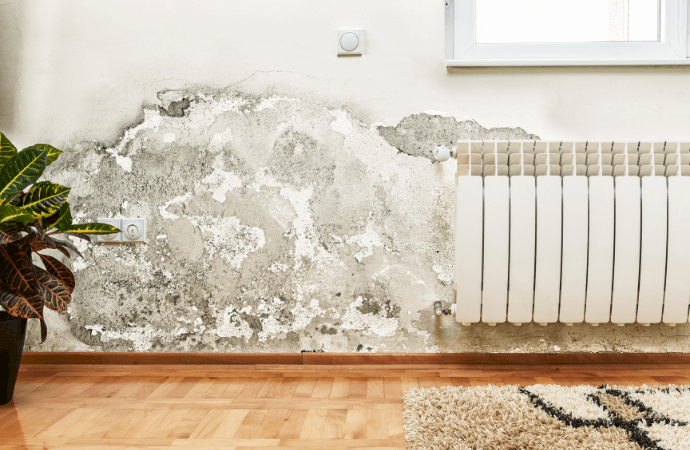
Humidity in a home is never trivial. In Belgium, due to a humid climate, regular precipitation, and an often old housing stock, problems with damp walls are particularly common. Dark stains, persistent odors, degradation of finishes, or a constant feeling of cold are all warning signs that should not be ignored.
A damp wall is not just an aesthetic inconvenience. It can affect indoor air quality, thermal comfort, the health of occupants, and even the structural integrity of the building. Accurately identifying the source of the problem is essential to implement a truly effective and lasting humidity treatment.
In this article, we help you understand the causes of damp walls, recognize the warning signs, and discover solutions suited to the context of Belgian homes.
Damp wall in a house in Belgium: a common problem with multiple causes
Before considering a treatment, it is essential to understand where the humidity comes from. In Belgium, several factors can cause a damp wall, sometimes in combination with each other.
Rising damp: a common issue in old houses
Rising damp, also known as capillary rise, is one of the most common causes of damp walls in Belgian homes, particularly in older houses built without a waterproof barrier.
Water present in the soil gradually rises through the walls by capillarity, soaking into porous materials like brick or stone. This phenomenon usually manifests at the bottom of the walls, with horizontal marks, efflorescence, or deteriorating coatings.
Townhouses, rural homes, and buildings dating from before the 1950s are particularly affected.
Water infiltration through exterior walls
Water infiltration occurs when rainwater penetrates directly through exterior walls. It can be caused by porous facades, deteriorated joints, cracks, or insufficient weather protection.
In Belgium, prolonged exposure to rain, wind, and frost exacerbates this phenomenon. Unlike rising damp, infiltrations can appear at different locations on the wall, often in a localized manner.
Indoor condensation: a problem often related to ventilation
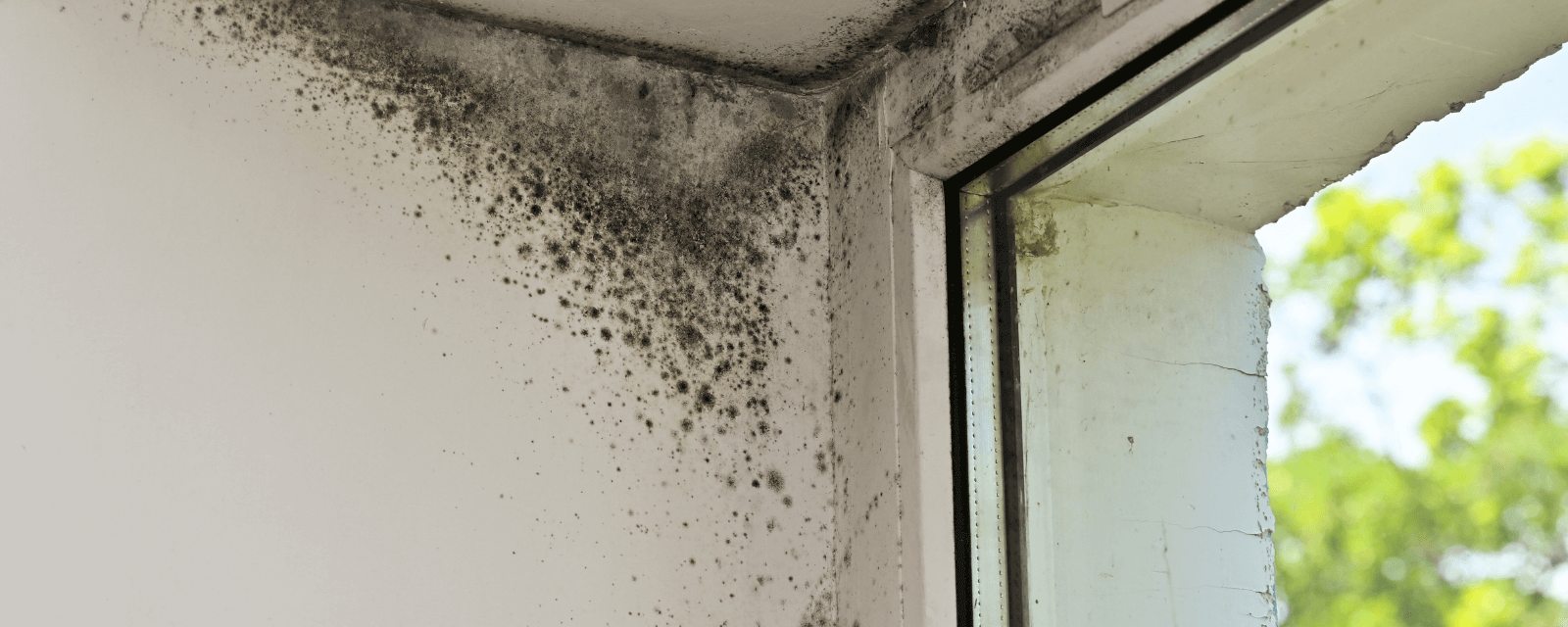
Condensation is linked to excess humidity in the indoor air, combined with insufficient ventilation. Daily activities such as cooking, showering, or drying laundry naturally produce water vapor.
When humid air cannot be properly expelled, it condenses on cold surfaces, particularly walls. This type of humidity frequently affects poorly ventilated kitchens, bathrooms, and bedrooms.
Leaks and plumbing issues
A water leak, whether visible or hidden, can also be responsible for a damp wall. In this case, the humidity is often localized, persistent, and can worsen quickly.