Summary
In a context where housing is becoming increasingly energy efficient, the issue of ventilation and indoor air quality is emerging as a central concern in Belgium. Long considered secondary, it is now at the heart of renovation projects, both for comfort and health reasons.
Given the naturally humid climate, the aging housing stock, and regulatory requirements related to energy performance, ventilation can no longer be left to chance. It must be considered from the project's design stage, just like insulation or material selection.
Whether you are renovating a single-family home in Wallonia, an apartment in Brussels, or a rental property in Flanders, an appropriate ventilation strategy is essential to ensure a healthy and sustainable living environment.
Why ventilation is essential in a renovation project in Belgium
Before even addressing technical solutions, it is important to understand why ventilation holds such a strategic place in the Belgian context.
The climate plays a decisive role. In Belgium, humidity is omnipresent, and older buildings, often designed without real airtightness, naturally allow air to circulate. However, as soon as insulation work is undertaken on walls, window replacements, or improvements in airtightness, the behavior of the housing changes completely.
It becomes more efficient, certainly, but also much more airtight. Air no longer renews itself naturally, and the humidity produced indoors accumulates. This is when the first signs appear: condensation on windows, persistent odors, and the emergence of mold in corners or on cold walls.
Beyond the visual aspect, the consequences can be deeper. Indoor air laden with humidity and pollutants directly impacts living comfort and can lead to respiratory issues, particularly in sensitive individuals.
Ventilation then becomes a true lever to restore balance. It allows for the removal of stale air, brings in fresh air, and maintains a healthy indoor environment while supporting the energy performance of the building.
Obligations and standards in Belgium: a framework to respect
In Belgium, ventilation is not just a matter of common sense or comfort. It is governed by strict regulatory obligations, particularly regarding the energy performance of buildings.
The energy performance regulation requires, during many renovation works, the provision of a compliant ventilation system. The goal is clear: to ensure sufficient air renewal in every housing unit, regardless of its configuration.
Although the specifics vary slightly between Wallonia, Brussels, and Flanders, the principle remains the same. Each room must benefit from an appropriate air supply or extraction to ensure coherent circulation throughout the housing.
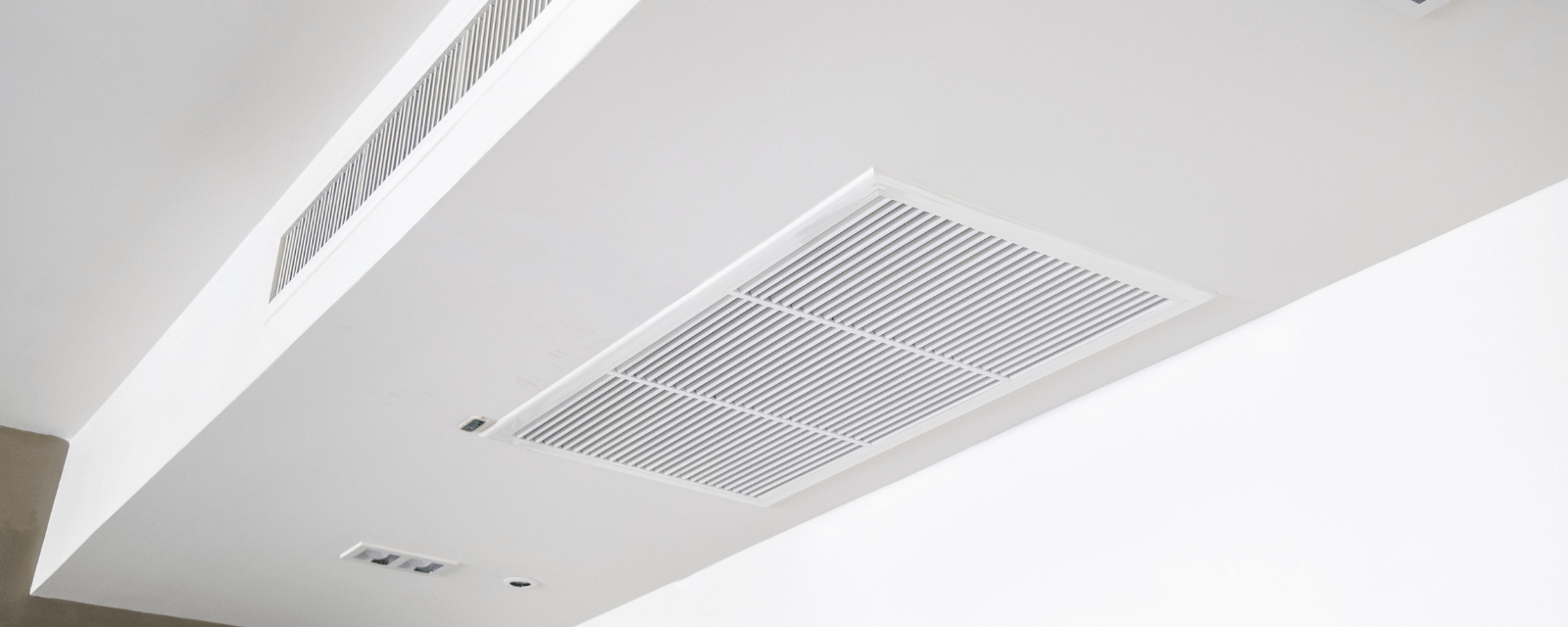
In this context, several ventilation systems are recognized. Some still rely on natural principles, but they are now rarely sufficient in renovated housing. Mechanical systems, particularly systems C and D, have largely established themselves as references in the Belgian market.
The choice of system cannot be improvised. It depends on the type of property, the extent of the work, and the energy objectives pursued.
Which ventilation solutions to prioritize in renovation?
In renovation, each project presents its own constraints. The integration of a ventilation system must therefore be tailored, taking existing conditions into account.
In many cases, single-flow ventilation, which is very common in Belgium, is a relevant solution. It effectively extracts stale air from humid rooms while remaining relatively simple to implement. It adapts well to classic renovations, especially when one wants to improve comfort without undertaking heavy transformations.
For more ambitious projects, double-flow ventilation offers a higher level of performance. By recovering heat from the extracted air to preheat the incoming air, it helps to limit energy losses while ensuring a constant air renewal. This type of system is particularly interesting in complete renovations or in homes aiming for a high level of energy performance.
In some cases, particularly in apartments or constrained buildings, decentralized solutions can be considered. They allow for the equipping of specific rooms without the need to install a complete network, which can be particularly suitable in urban environments.
Regardless of the chosen solution, the key remains the overall coherence of the system. Effective ventilation does not rely solely on a device but on a thoughtfully designed approach at the housing scale.