In Belgium, renovating an old house improves comfort, reduces energy consumption, adapts spaces, and preserves the property's value. For construction entrepreneurs, these projects represent a promising market that often requires comprehensive management.
The Belgian real estate market has significant potential: in 2021, 66% of occupied traditional housing was located in buildings containing a single dwelling. The same year, 21% of occupied housing was built before 1919, with significant differences between Flanders, Brussels-Capital, and Wallonia.
Needs that go beyond simple modernization
A Belgian old house can be appealing due to its facade, materials, volumes, or location. However, it often presents several areas of work: aging roof, insufficient insulation, energy-consuming heating, humidity, underperforming joinery, or old networks.
Homeowners may thus request a company to:
- insulate the roof, walls, or floors;
- replace windows and modernize heating;
- improve ventilation;
- address leaks and humidity issues;
- redo the electrical and plumbing systems;
- renovate a kitchen or bathroom;
- knock down walls and redistribute rooms;
- convert attics or basements;
- create an extension or an opening to the garden.
This diversity encourages evolving projects. An urgent intervention on a roof or electrical installation can become the first step of a complete renovation.
A market suited for a full-service offer
In an old house, the works are rarely independent. Insulation may require roof or facade repairs. Replacing heating must consider the building's future performance. A new interior layout may also lead to electrical, sanitary, or structural modifications.
A company capable of providing a comprehensive diagnosis, a clear quote, and a coordinated schedule prevents the homeowner from having to manage multiple contractors alone.
This role as a single point of contact allows differentiation and access to larger projects. When deadlines, responsibilities, and work phases are clearly presented, the homeowner has better visibility on their project.
Anticipating risks to build trust
The actual condition of walls, roofs, floors, or pipes is not always visible during a first visit. A thorough diagnosis and a margin for unforeseen issues are therefore essential before announcing a final budget.
Humidity deserves special attention in old houses. Reapplying a coating or installing insulation without identifying the source of the problem can lead to further damage. The potential presence of hazardous materials must also be checked, and their treatment entrusted to qualified professionals.
Some transformations may require a planning permit. The rules vary by Region and municipality, particularly for extensions, facade modifications, volume changes, or structural interventions. The permit, when required, is requested from the municipality where the property is located.
These steps must be integrated into the business calendar. Transparency about constraints does not hinder sales: it demonstrates that the company has control over the project and protects its client against avoidable extra costs or delays.
Energy performance, a driver of renovation
The cost of energy and regional performance objectives increase interest in renovating the existing real estate stock. Insulation, ventilation, window replacement, and heating modernization can reduce consumption while improving comfort in both winter and summer.
Grants and financing solutions can support certain works. However, the programs differ significantly between Wallonia, Flanders, and the Brussels-Capital Region. Provincial, municipal, or network manager aids can sometimes complement regional programs.
For the contractor, knowing the applicable mechanisms in their region allows for better client information and facilitates decision-making. However, any promises should be avoided: eligibility, the amount, and the timing of the application must always be confirmed with the competent authority.
Transforming this potential into business development
An effective strategy in the Belgian old house market is based on several principles:
- conduct a thorough visit before estimating;
- classify the work by urgency and technical coherence;
- offer a comprehensive project or a phasing adapted to the budget;
- clearly present possible unforeseen events;
- check regional and municipal regulations;
- rely on reliable partners in each trade;
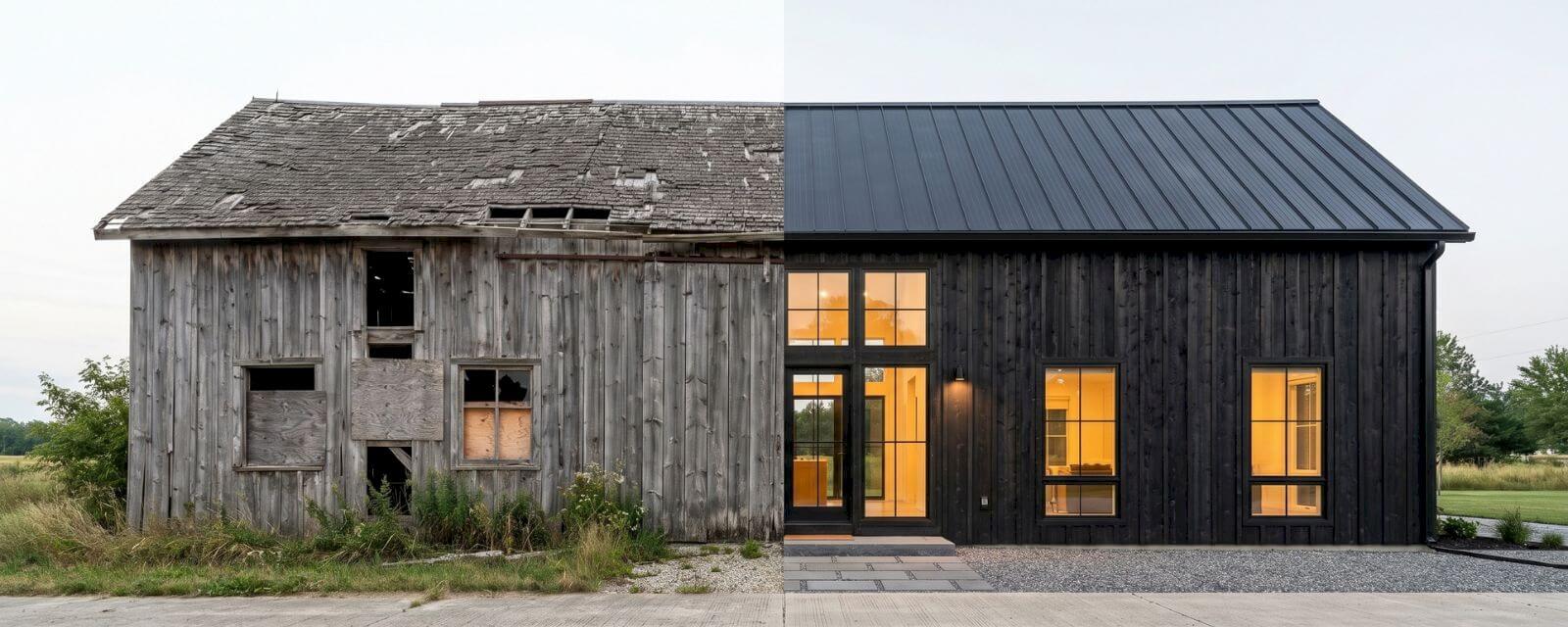
- highlight local achievements with before/after photos.
A satisfied client can generate recommendations within the same municipality. In this market, local reputation, quality follow-up, and the ability to coordinate multiple trades are important acquisition levers.
Developing your business with Avenir Renovations Belgium
With Avenir Renovations, the franchisee operates as a Manager Works. They analyze the client's needs, estimate the project, select partner companies, and coordinate the site until its completion.
The network provides methods, training, digital tools, and support to structure their business development. Its positioning across all trades allows it to respond to both interior renovations and energy renovations, extensions, or complete transformations.
Do you want to start in the Belgian renovation market? Join Avenir Renovations and develop a business capable of supporting homeowners of old houses at every stage of their project.