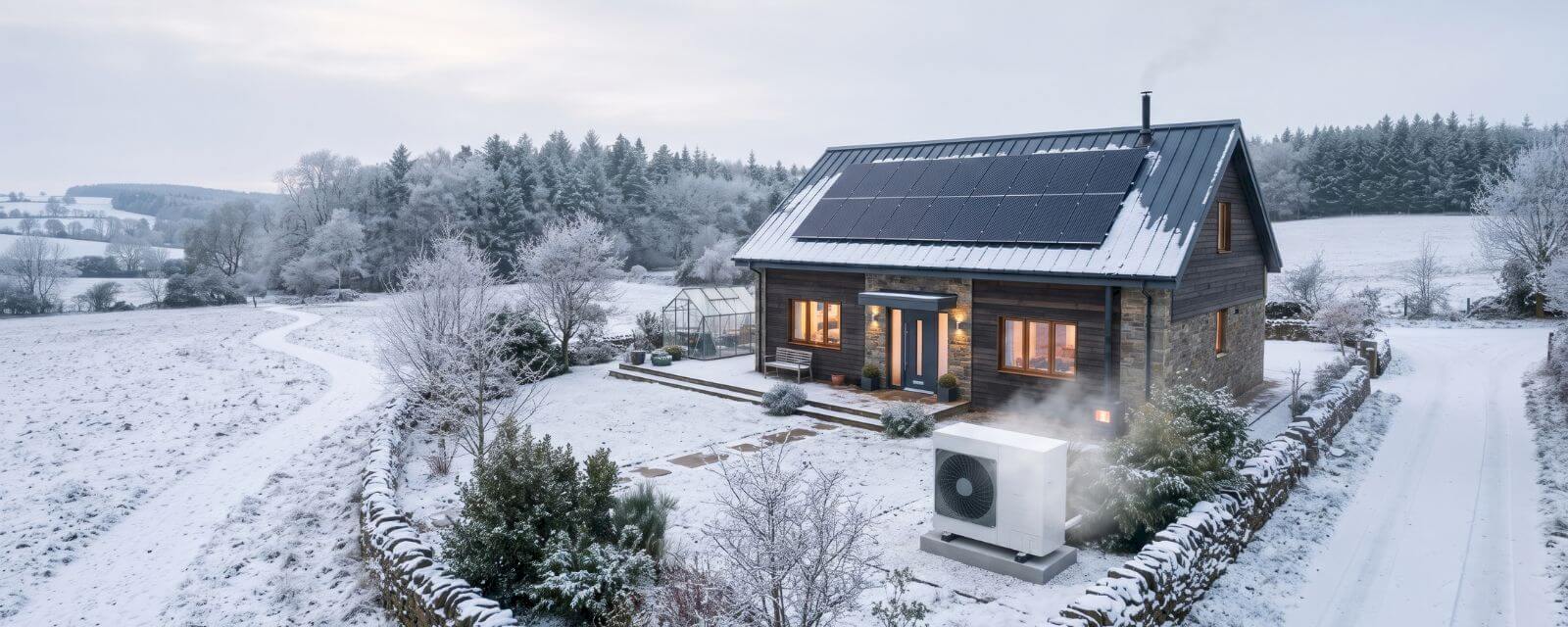
As winter approaches, Belgian homeowners become particularly attentive to the thermal comfort of their homes. Energy bills, feelings of cold, humidity, or rooms that are difficult to heat: these are all concerns that can trigger a renovation project. For Avenir Renovations franchisees, this period represents an opportunity to develop their business, provided they turn these needs into structured projects.
How to anticipate demand, identify prospects, and enhance your support? Here are the levers to mobilize to make insulation a commercial development axis.
Understanding the expectations of Belgian homeowners
The Belgian market presents varied situations depending on the regions, the age of the building, and occupancy habits. Some older houses have limited insulation, while other homes have more localized defects: poorly performing windows, insufficiently insulated roofs, or drafts around joinery.
As winter temperatures approach, these problems become more noticeable. Individuals are then looking for concrete solutions to improve their comfort and control their energy consumption.
For the franchisee, the challenge is to go beyond the initial request. A homeowner who wants to replace their windows may also need wall insulation or an examination of their ventilation. The first meeting should therefore allow for an understanding of the characteristics of the home, the work already completed, and the household's priorities.
Adapting your commercial strategy to each region
Belgium is characterized by support mechanisms and rules that may differ between Wallonia, Flanders, and Brussels-Capital. The franchisee must take these specificities into account in their sales pitch.
Homeowners may seek information on renovation grants, energy performance requirements, or ways to improve their energy performance certificate. These topics are relevant entry points for initiating a commercial conversation.
However, it is important to verify the current conditions in the relevant region before announcing any assistance or amounts. Eligibility criteria, procedures, and timelines should not be generalized across the entire country.
The professional's role is to explain the possibilities, present relevant work, and guide the individual towards official sources when additional checks are necessary.
Increasing visibility before the cold period
To capture seasonal demand, it is better to communicate before homeowners face significant discomfort. A campaign launched early enough allows time to schedule appointments, assess needs, and organize interventions.
Franchisees can rely on their social media, email campaigns, local network, and existing contacts to raise awareness among individuals about the benefits of appropriate insulation.
Photos of completed projects, examples of renovations, and explanations of different solutions also contribute to enhancing the credibility of the message. Interactions with former clients, recommendations, and local partnerships can complement these actions.
Every contact must facilitate taking action: requesting an appointment, having their home inspected, or obtaining an estimate for their project.
Transforming requests into coherent projects
Once the prospect is identified, the quality of commercial qualification becomes crucial. The franchisee must gather useful information: type of building, year of construction, nature of the walls, observed defects, planned work, and available budget.
This step prepares for a more effective visit and identifies potential interactions between the works. For example, external insulation must be considered alongside windows, sills, and facade connections. Similarly, improving air tightness requires checking the renewal of indoor air.
Presenting multiple solutions when relevant helps the individual understand the technical and financial trade-offs. The goal is to build a proposal tailored to their home, without multiplying services that do not meet a real need.
Enhancing the role of the Project Manager
Coordination represents an important commercial argument. Insulation work can involve several trades and require rigorous organization to ensure the coherence of the site.
At Avenir Renovations, the Project Manager supports the client at every stage of their project. They analyze needs, estimate the work, select partner companies, and coordinate interventions until the project is completed. This single point of contact facilitates communication, helps the client understand the different stages, and provides a comprehensive view of their renovation.
This support is particularly important when multiple interventions need to be coordinated. It allows for better anticipation of constraints, coordination of professionals, and ongoing monitoring throughout the project.
For the franchisee, this organization is a true differentiating factor compared to offers focused solely on price or isolated services. It helps establish a relationship of trust, promotes customer satisfaction, and encourages referrals.
Anticipating to grow their business
Seasonal demand must be prepared in advance. The franchisee can plan their campaigns, follow up with interested prospects, track pending quotes, and anticipate the availability of partner companies.
They must also communicate realistic timelines, as weather, supplies, and building-specific constraints can influence the execution of the project.
In Belgium, insulation before winter thus represents an opportunity to enhance visibility, develop their prospect portfolio, and promote a comprehensive approach to renovation.
Do you want to venture into a sector driven by the need for housing renovation? Discover the Avenir Rénovations model and the support offered to franchisees to grow their business.